90% female and between ages 14 and 15
symptoms
fever, fatigue, weight loss, non-bacterial verrucous endocarditis, hilar adenopathy, and Raynaud's phenomenon - vasospastic disorder accompanying discoloration of fingers, toes
false positives on VDRL/RPR
lab tests detect presence of
1. antinuclear antibodies(ANA) - sensitive, not specific
2. Antibodies to double-stranded DNA(anti-dsDNA) - specific, poor prognosis
3. Anti-Smith antibodies (anti-Sm) - specific but not prognostic
4. Antihistone antibodies - drug induced lupus
malar rash

--------------------------------------------------------
Lung Cancer
Squamous cell carcinoma
Adenocarcinoma
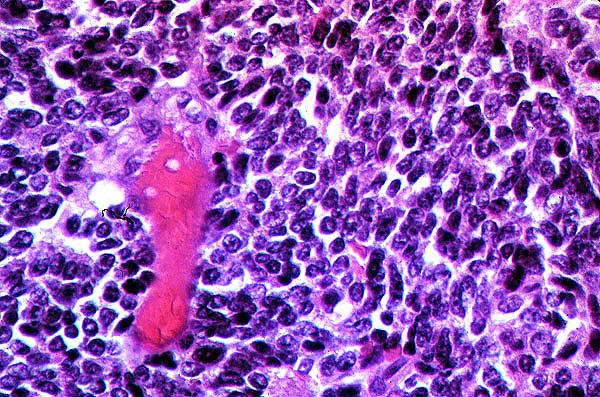
small-cell(oat-cell) carcinoma
Undifferentiated -> very aggressive; often associated with ectopic production of ACTH or ADH; may lead to Lambert-Eaton syndrome(autoimmune disorder affecting neuromuscular junction)
Neoplasm of neuroendocrine - Kulchitsky cells -> small dark blue cells
Large cell carcinoma
Highly anaplastic undifferentiated tumor with poor prognosis
Pleomorphic giant cells with leukocyte fragments in cytoplasm

Carcinoid tumor
Metastases
--------------------------------------------------------
