- pigments accumulate after surgery/treatment
- not really lymphadenopathy
--------------------------------------------------------
HIV lymphadenopathy
- vascular
- falling apart
- germinal center irregular shape
--------------------------------------------------------
Aspergillosis:
- ubiquitous mold taht causes allergies (brewer's lung) in healthy person, sinusitis, pneumonia, fungemia in neutropenic persons
- secrete three toxins
- aflatoxin - source of liver cancer in Africa, from peanuts
- restrictocin and mitogillin are ribotoxins that inhibit host cell protien synthesis by degrading mRNA
- mitogillin is a potent inducer of IgE; type III and type IV hypersensitivity reactions
- growth of fungus in the pulmonary cavities with little or no invasion of the tissue.
- proliferating masses of fungal hyphae called fungus balls form brownish masses lying free within the cavities
- invasive aspergillosis is an opportunistic infection confined to immunosuppressed and debilitated hosts
-primary lesions are usually in the lung, but also with widespread hematogenous dissemination with involvement of the heart valves, brain and kidneys
- pulmonary lesions form necrotizing pneumonia with sharply delineated, round, gray foci with hemorrhagic borders, often referred to as target lesions


---------------------------------------------------------
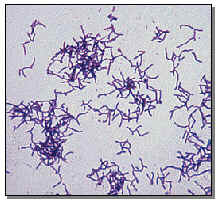
Actinomyces is a genus of Gram-positive bacteria. Some species are anaerobic, while others are facultatively anaerobic . Actinomyces species do not form spores, and, while individual bacteria are rod-shaped, morphologically Actinomyces colonies form fungus-like branched networks of hyphae.[1]
Many Actinomyces species are opportunistic pathogens of humans and other mammals, particularly in the oral cavity.[2] In rare cases, these bacteria can cause actinomycosis, a disease characterized by the formation of abscesses in the mouth, lungs, or the gastrointestinal tract.Characterized by the formation of painful abscesses in the mouth, lungs, or digestive organs, actinomycosis abscesses grow larger as the disease progresses, often over a period of months. In severe cases, the abscesses may penetrate the surrounding bone and muscle to the skin, where they break open and leak large amounts of pus.
--------------------------------------------------------
Candida - three forms: - yeast - pseudohyphae - true hyphae with septa
- all may be mixed together in the same tissue
- Candida infections of the oral cavity (thrush) and vagina produce superficial white patches or large, almost fluffy membranes that are easily detached, leaving a reddened, irritated underlying surface. Spread of oral candidiasis, as by a nasogastric tube, may lead to similar lesions in the esophagus.


--------------------------------------------------------
Cryptosporidium parvum
(-) GMS
- coccidian protozoan parasite (in a family taht includes malaria and Toxoplasma)
- cause transient watery diarrhea in normal children and a chronic, debilitating diarrhea in patients with AIDS
- sporozoites have a lectin on their surface that mediates adherence to intestinal and colonic epithelial cells, disrupt microvilli and enter the cytoplasm of epithelial cells
- adhere to apical brush border of absorptive gut epithelia, enveloped by a host cell membrane
- intact T-cell immunity necessary for clearing infection
--------------------------------------------------------
lung bulla : alveolar rupture
--------------------------------------------------------
triple (-) breast cancer
- alternating fibrosis/necrosis in cords of tumor cells
--------------------------------------------------------
Repair:
- numerous vessels perpendicular to the skin lining when repair
--------------------------------------------------------
leiomyoma may ossify after necrosis and fibrosis
--------------------------------------------------------
woven bone does not have lamellar structure

--------------------------------------------------------
squamous metaplasia may display mucin upper layer where original endocervical epithelia are displaced.
